

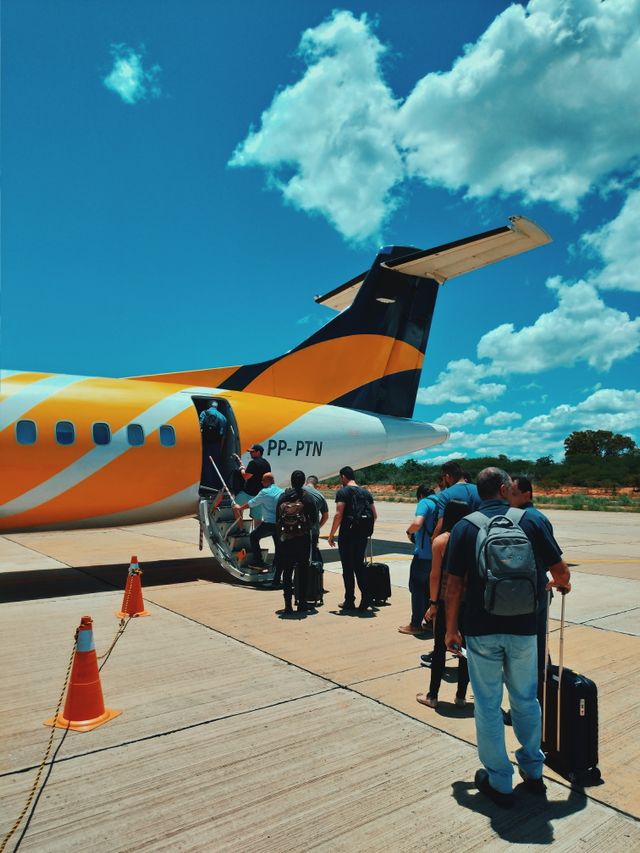
When someone visits Peru for the first time, they are often amazed by its extraordinary diversity. In just a few days, they can explore coastal cities overlooking the Pacific Ocean, cross mountains rising more than 4,000 meters above sea level, and venture into Amazonian forests considered among the most biodiverse on the planet.
However, Peru’s diversity is not found only in its landscapes. It also lives in its people, their stories, languages, traditions, celebrations, and the different ways in which they understand and relate to the world.
Perhaps this is why understanding Peru means much more than visiting its monuments or exploring its iconic destinations. It means connecting with the stories of the people who inhabit its territories and recognizing how different peoples, cultures, and generations have contributed over time to shaping a diverse and dynamic identity.
An identity that preserves the memory of its past, finds expression in the present, and continues to evolve with each new generation.
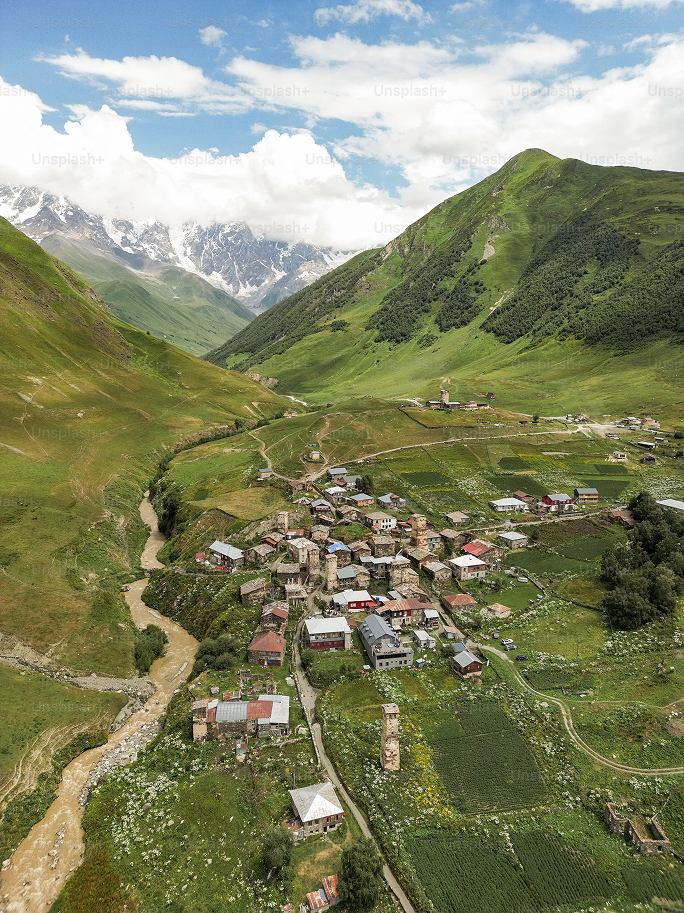
The history of Peru can be understood as a long conversation among the peoples who inhabited the coast, the Andes, and the Amazon. Each developed knowledge, practices, and ways of life deeply connected to the characteristics of their territory.
Coastal societies learned to thrive between the ocean and the desert; Andean peoples developed agricultural systems capable of making use of the diverse ecological zones found at different altitudes; and Amazonian communities built a profound understanding of the forests, rivers, and biodiversity that surrounded them.
For centuries, these territories were connected through the exchange of goods, knowledge, technologies, and experiences. Cultures learned from one another, adapted practices, shared symbols, and transformed ideas through continuous contact and interaction.
For this reason, Peru’s cultural history cannot be understood simply as a succession of isolated cultures. Above all, it is a history of encounters, exchanges, and ongoing transformations that continues to shape the country’s diversity and identity.
Cultural encounters have not always been simple throughout history there were conflicts, tensions, and profound social transformations.
However, new forms of cultural expression also emerged
one of the most visible examples is syncretism.
In many regions of Peru, elements of Andean traditions merged with practices introduced during the colonial era.
The result was not the disappearance of one culture to make way for another.
It was the creation of new cultural expressions.
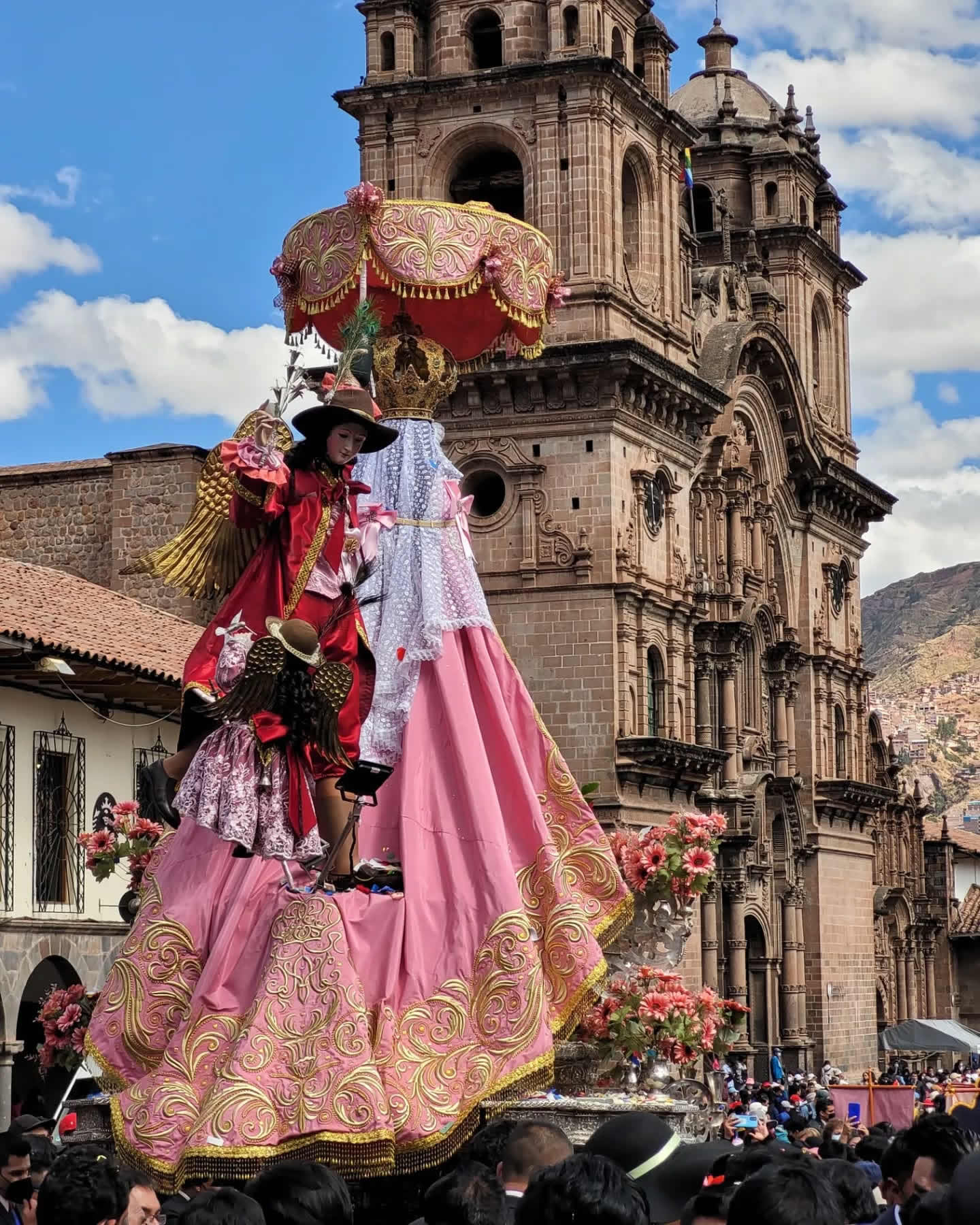
In Cusco, for example, contemporary religious celebrations reflect the coexistence of diverse historical legacies.
The Corpus Christi festival, celebrations honoring patron saints, and various community practices preserve elements that engage with ancient Andean ways of understanding territory, community, and spirituality.
Culture does not remain static it transforms and it is precisely this capacity for transformation that explains much of Peru's cultural richness.
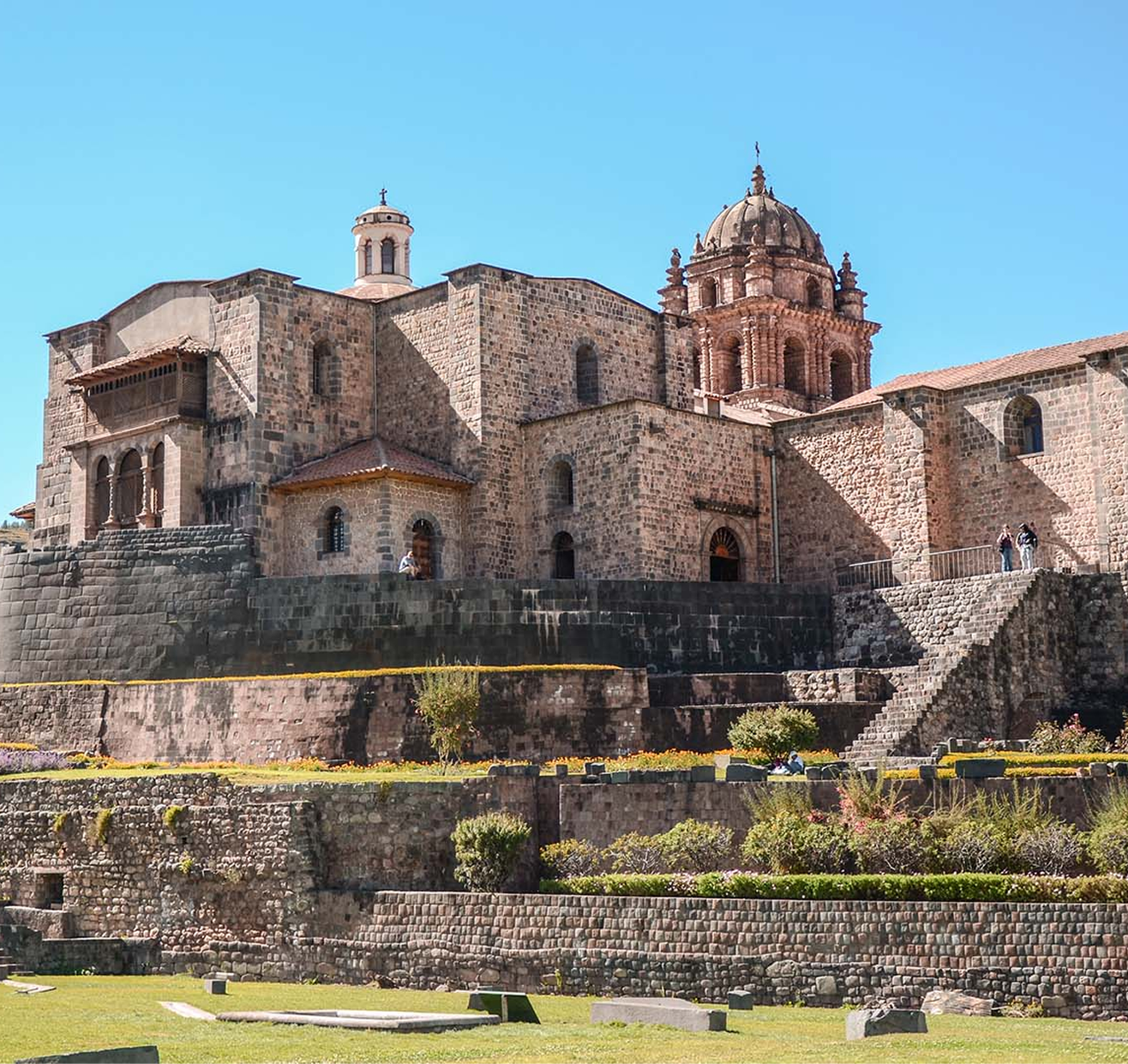
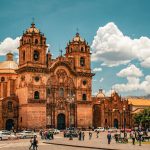
Few cities embody this convergence of histories better than Cusco as the former capital of Tahuantinsuyo and later one of the most important cities of the Viceroyalty, Cusco became a space where diverse cultural traditions met and were continuously redefined.
The stones of its streets, its plazas, temples, and colonial buildings preserve traces of different historical eras. The evolution of Cusco’s identity itself has been studied by researchers analyzing how the city forged a collective memory rooted in the recognition of its Andean past and its historical significance.
Walking through Cusco means more than just traversing a city it means traversing the various layers of Peruvian history.
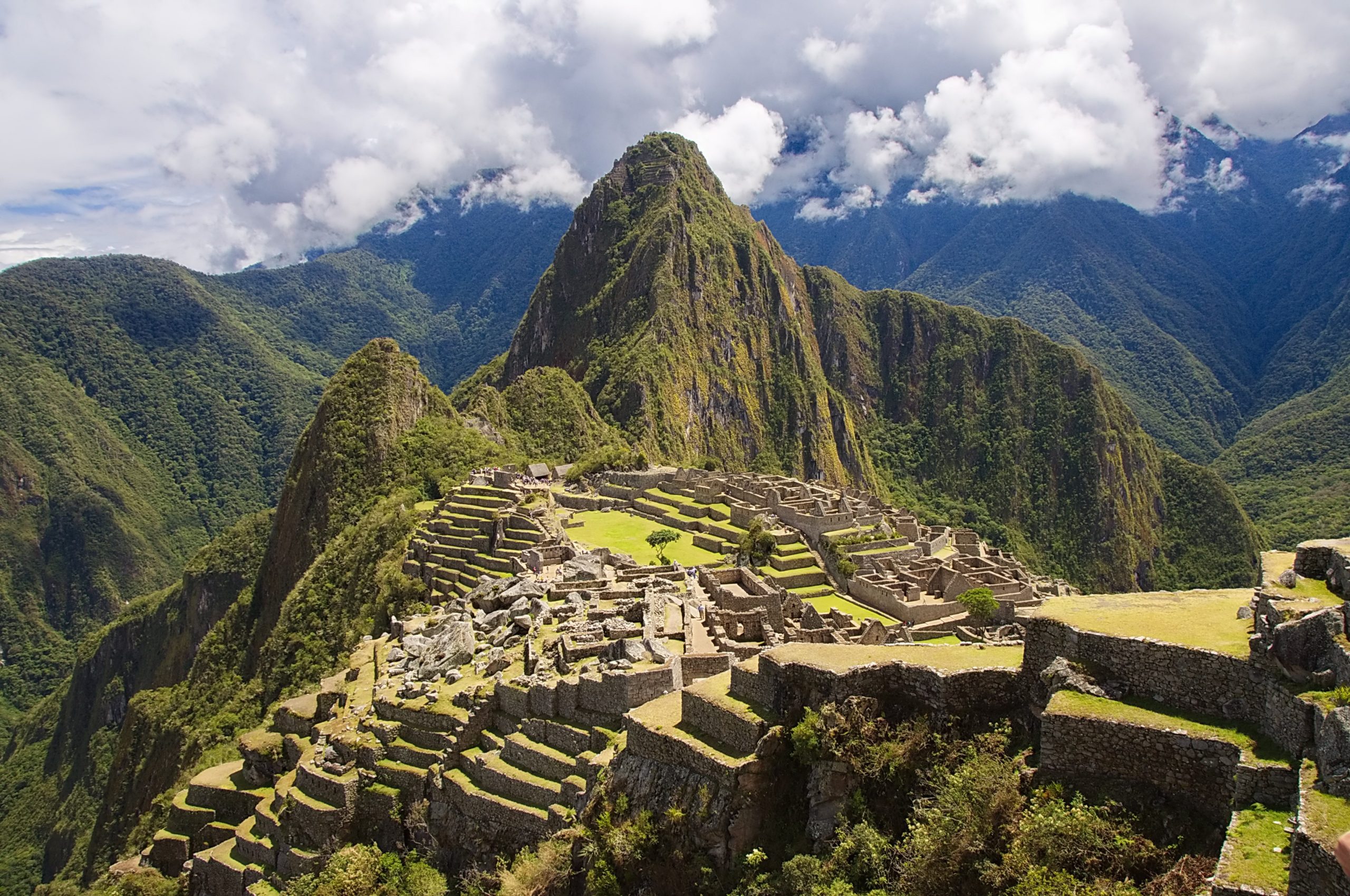
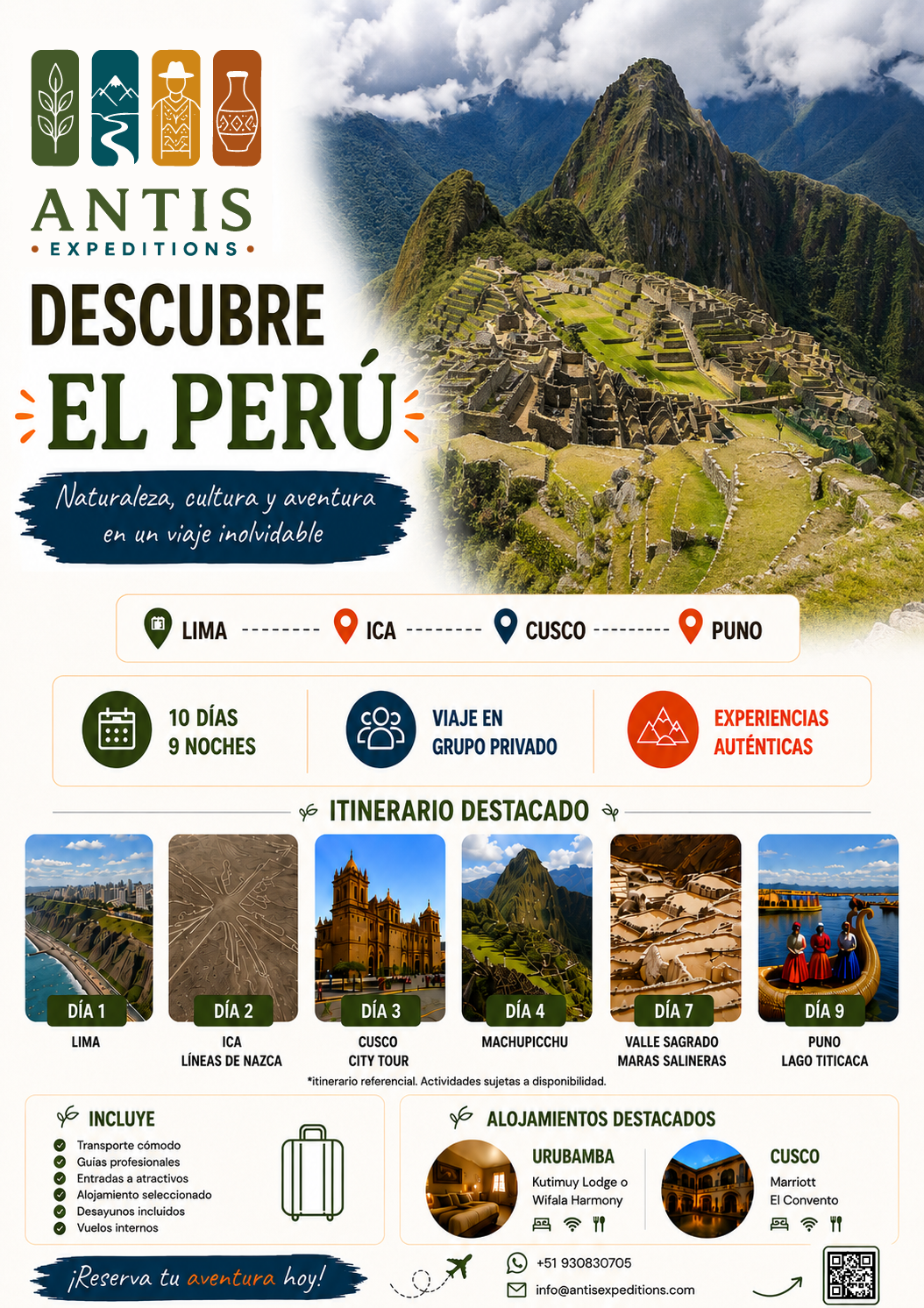
There are places that transcend their status as tourist destinations to become symbols Machu Picchu is one of them globally recognized for its historical and cultural value, it has also become a key touchstone for the construction of Peruvian national identity millions of people visit the ancient Inca llaqta every year however, for many Peruvians, Machu Picchu represents something deeper.
It represents the capacity of past generations to build knowledge, organization, and creativity within one of the planet's most complex landscapes.
For this reason, the pride Machu Picchu inspires is not limited to its archaeological heritage it also reflects an appreciation for a shared cultural legacy.

National identity is often spoken of as if it were something fixed and immutable the reality is far more dynamic.
Identities are constantly being constructed they transform they are negotiated they are enriched by new experiences.
Contemporary Peru is the result of multiple influences, Andean, Amazonian, Coastal, European, African, Asian.
All of them have contributed to shaping a diverse and complex society.
That diversity can be seen in the cuisine, music, languages, and celebrations, as well as in the symbols that foster a sense of collective belonging.
Even in settings as different as a local festival or a match played by the Peruvian national football team, many people experience a shared sense of belonging that transcends regional and social differences.
Not because those differences disappear but because there is a recognition of sharing a common history.
When we travel, we often discover new landscapes but frequently, the most valuable moments occur when we discover perspectives different from our own every conversation with a community. Every story shared by a local guide. Every tradition observed during a celebration. Every encounter with people from different backgrounds. All of these expand our understanding of the world. That is why travel is also a form of learning. It reminds us that there are multiple ways to understand life and that no single culture holds all the answers.