

We live in an era where much of our attention is focused on what we do not yet have we seek to reach new goals, achieve objectives, solve problems and constantly move toward the next challenge.
Amidst this fast-paced rhythm, we rarely pause to reflect on something that for centuries held a central place in many cultures around the world the act of giving thanks in the Peruvian Andes there is a tradition that invites us to do precisely that.
Every year, during the month of August, communities across various regions hold thanksgiving ceremonies known as pagos a la pachamama (offerings to Pachamama).
Beyond their ritual significance, these practices embody a worldview that can offer us valuable insights into well-being, nature, and the sense of community.
In many modern societies, the year is typically organized around work activities, personal commitments, and institutional calendars however, in the traditional Andean world, time has been deeply linked to the cycles of nature.
For centuries, the seasons, rainfall, harvests, and astronomical movements have guided the lives of these communities.
August holds a special place in this calendar in many Andean regions, it is considered a transitional period between agricultural cycles—a time to prepare for future planting and an opportunity to strengthen the bond with the earth that sustains life for this reason, numerous communities hold ceremonies of gratitude and reciprocity dedicated to Pachamama.
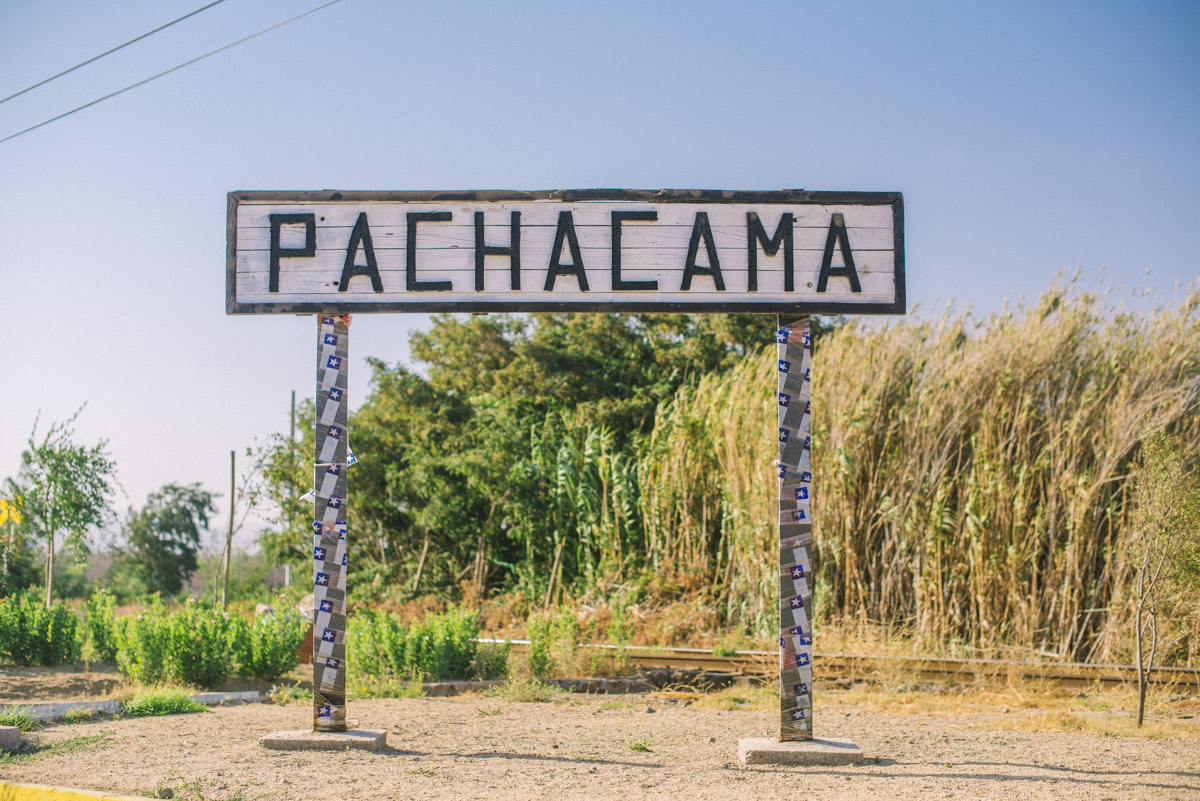
Pachamama is frequently translated as "Mother Earth." Although this definition is useful as a starting point, it fails to capture the full depth of the concept.
In the Andean worldview, Pachamama represents far more than the soil we cultivate or the physical space we inhabit it relates to the idea of a living totality in which human beings, animals, mountains, rivers, plants, and communities form part of a network of interdependence.
Life is not understood as a reality split between nature and society oth dimensions are deeply interconnected, from this perspective individual well-being also depends on collective balance and respect for the natural cycles that make existence possible.
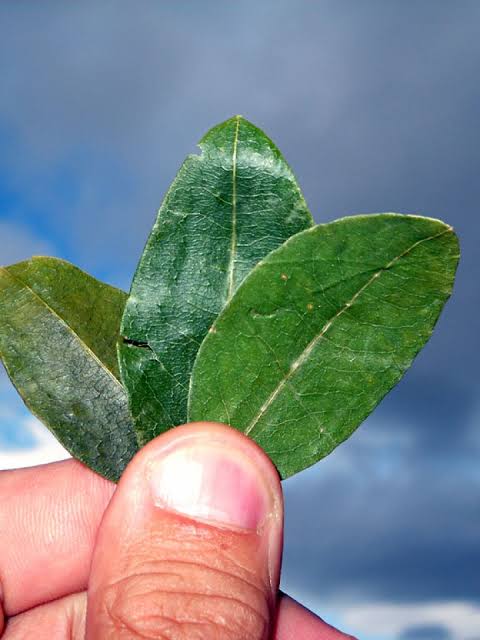
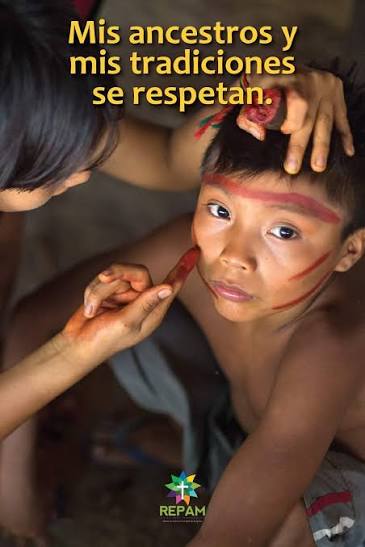
Ceremonies honoring the earth typically include food, coca leaves, flowers, seeds, and other symbolic elements carefully prepared to express gratitude.
However, the value of these practices lies not merely in the objects used what matters is the message they convey the idea that what we receive deserves to be acknowledged.
The idea that abundance does not stem solely from individual effort.
The idea that life is sustained by a network of relationships that often goes unnoticed.
The mountains that store water.
The soils that allow for food production the people who work the land the families and communities that make daily life possible the ceremony thus becomes an opportunity to remember what we normally take for granted.
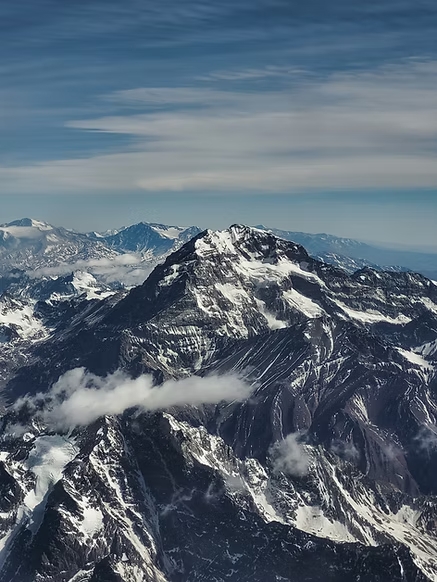
One need not belong to an Andean community to find value in these teachings nor is it necessary to replicate ceremonies or rituals to grasp their meaning what these practices invite us to consider is something far more universal.
¿What place does gratitude hold in our lives?
¿How often do we acknowledge the people who contribute to our well-being?
¿Are we aware of our dependence on the ecosystems that sustain life?
¿Do we remember to give thanks for what we receive each day?
Various studies in contemporary psychology have shown that gratitude can contribute to emotional well-being, strengthen human relationships, and foster a more positive outlook on life Interestingly many traditional cultures understood this importance long before scientific research on the subject existed.
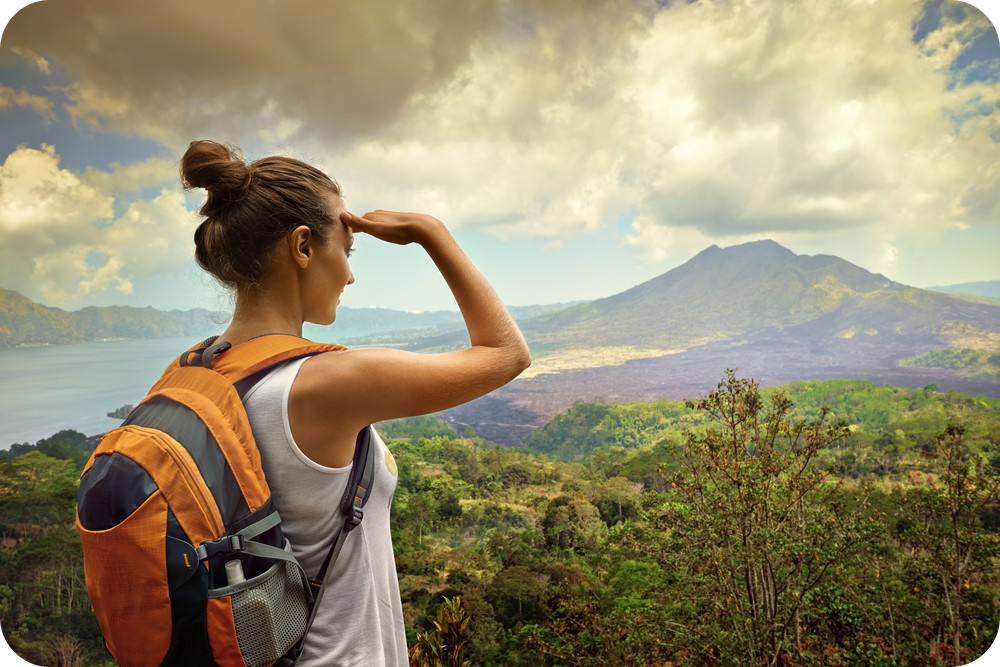
In many modern societies, well-being is often understood as a personal experience linked to success, productivity, or individual satisfaction. The Andean worldview offers a broader perspective. From this viewpoint, well-being does not depend solely on how a person feels; it is also tied to the quality of the relationships built with the community, nature, family, and the land. Living well entails maintaining balanced relationships with our surroundings; it is not just about receiving, but also involves caring, sharing, and reciprocity.
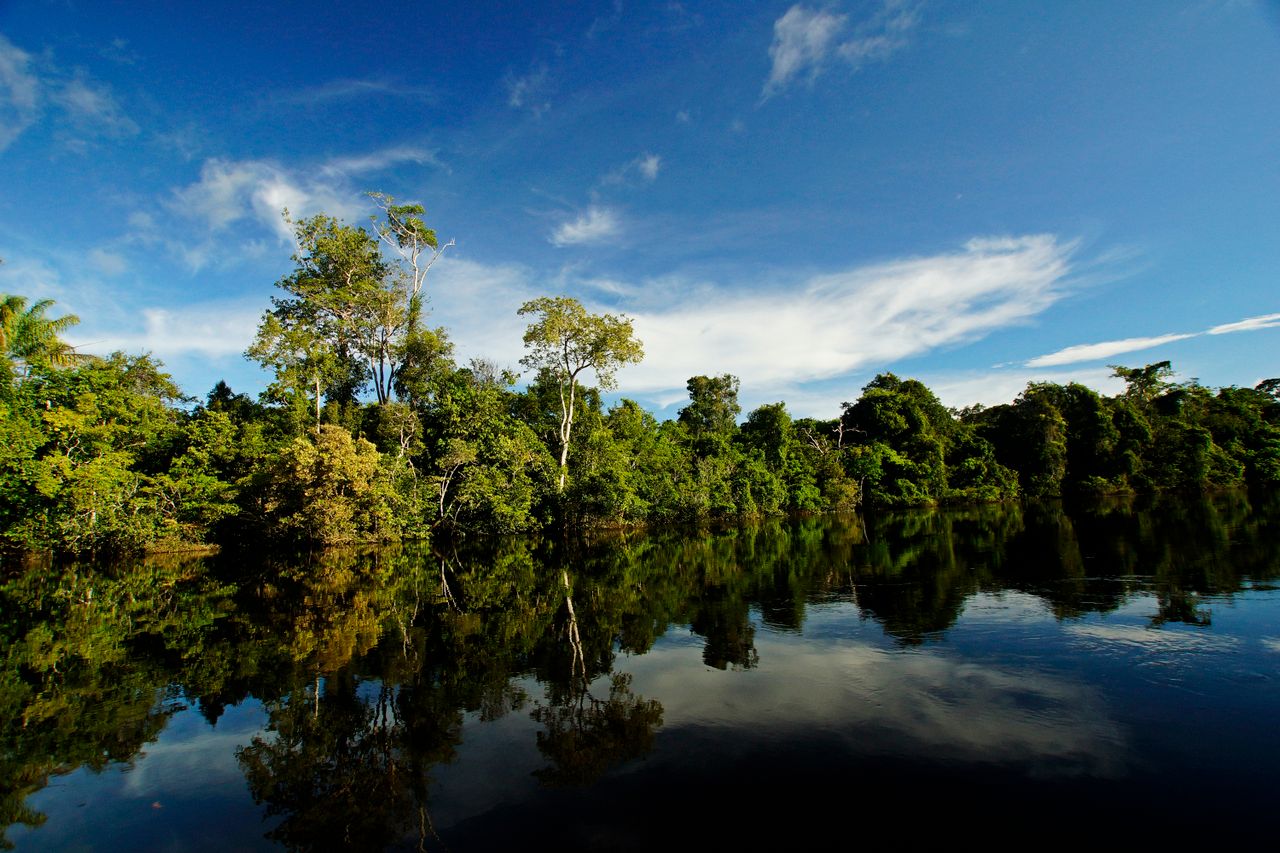
Perhaps one of the most valuable lessons of August is precisely the invitation to pause, observe, acknowledge to be grateful.
In a world where speed seems to have become a constant obligation, these practices remind us that well-being can also be found in simple acts.
A conversation, a landscape, a shared meal. The work of those around us the nature that makes our existence possible small elements that, while often going unnoticed sustain much of our daily lives.

Ceremonies dedicated to Pachamama remain part of life in many Andean communities because they express something deeply human. The need to acknowledge that we do not live in isolation. That we depend on other people. That we depend on nature. That we are part of something greater than ourselves. Perhaps this is one of the most important reflections the Andes can share with the contemporary world. Well-being does not always consist of accumulating more sometimes it begins when we learn to value what is already part of our lives and when we understand that giving thanks can also become a way of inhabiting the world with greater awarenes.