

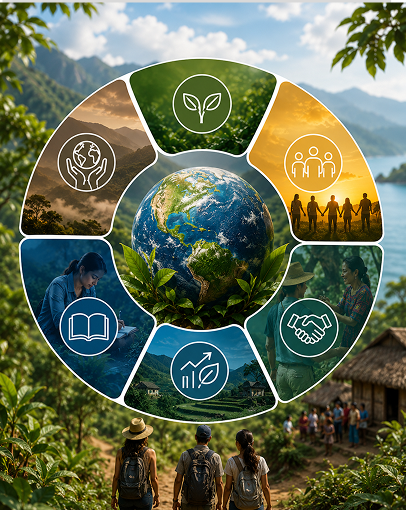
Regenerative tourism is a way of traveling that seeks to create a positive impact on destinations, communities, and ecosystems. Unlike traditional tourism, it goes beyond minimizing negative impacts by actively contributing to the cultural, social, and environmental revitalization of the places it reaches.
This approach promotes responsible and mindful travel experiences, allowing visitors to build a deeper connection with local culture, nature, and the people who call these places home. Regenerative tourism values the full heritage of each destination, including its landscapes, traditions, gastronomy, handicrafts, history, and biodiversity.
Furthermore, it supports tourism models that strengthen local communities through fair trade, community participation, and respect for cultural identity. Regenerative experiences encourage learning, intercultural exchange, and a more balanced relationship between visitors and host communities.
Within this model, travel becomes an opportunity to support sustainable initiatives, conserve ecosystems, revitalize ancestral knowledge, and contribute to collective well-being. Rather than simply consuming destinations, regenerative tourism seeks to create authentic connections that generate lasting value for both travelers and the communities and environments that welcome them.
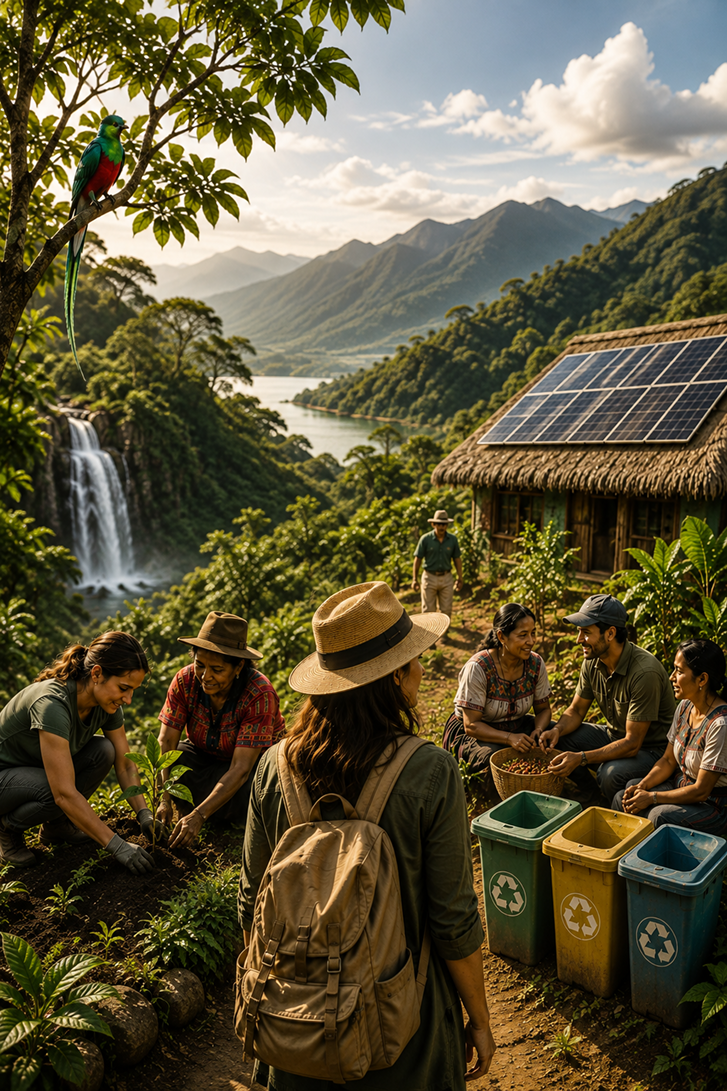
More and more tourism businesses are recognizing the importance of adopting sustainable and regenerative practices as a core part of their development model. This approach not only responds to the growing demand from conscious travelers but also contributes to environmental conservation, strengthens local communities, and creates more authentic and responsible travel experiences.
Furthermore, implementing regenerative practices fosters a more balanced relationship between tourism, culture, and nature, generating long-term positive impacts on destinations and their communities. At the same time, these initiatives help optimize the use of resources while building tourism models that are more sustainable, resilient, and capable of delivering lasting value for future generations.
Tourism Beyond the Obvious
Imagine a world where tourism is a transformative force that generates a positive impact on society and the economy while preserving the environment and valuing local communities. We are working to redefine the perception of tourism within the framework of a global, interdisciplinary, committed, and continuous agenda, positioning it as a catalytic and progressive instrument for social change from the perspective of both visitors and the destinations and communities that welcome them
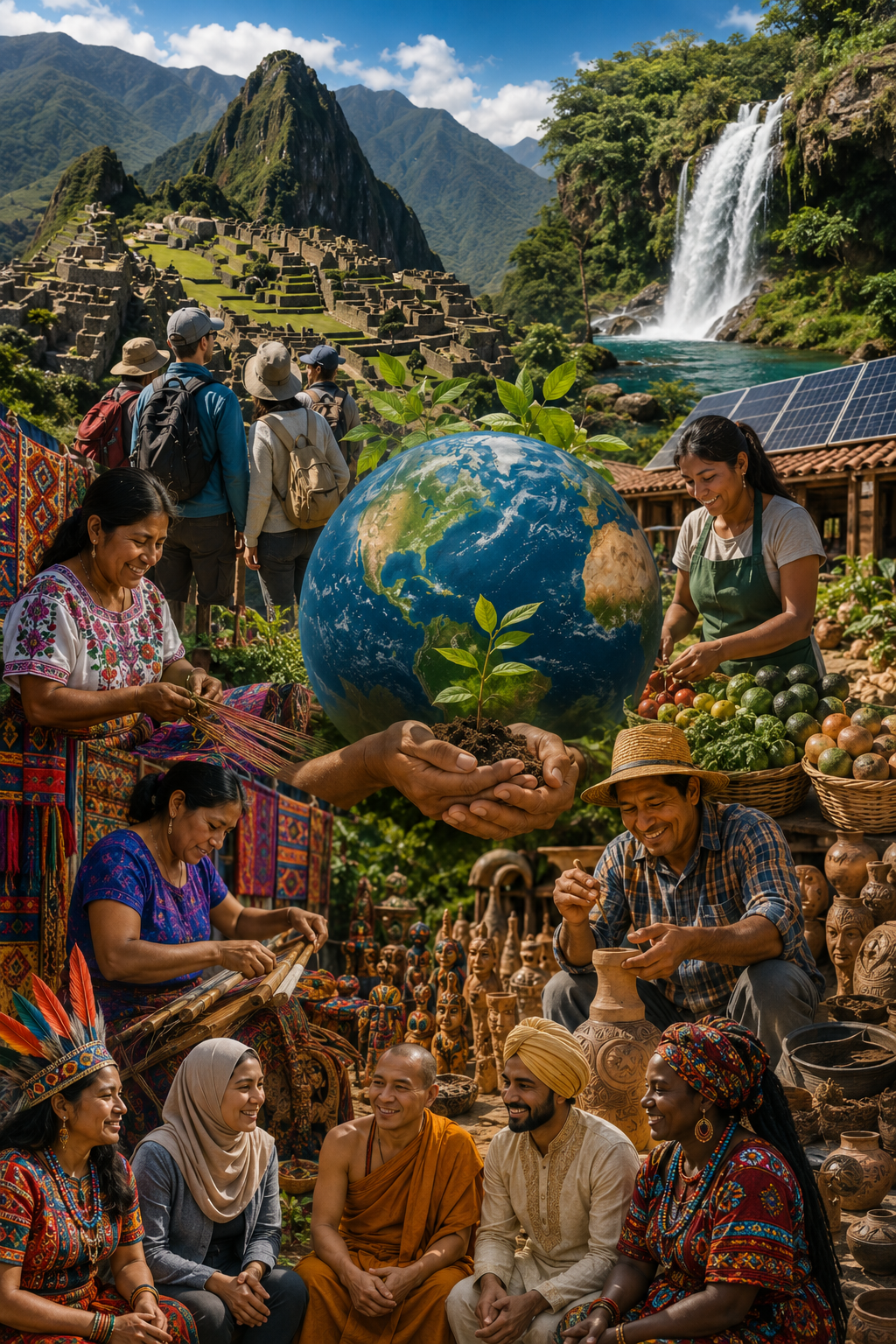
Tourism has the potential to become a powerful force for positive transformation for people, communities, and destinations. When developed responsibly and consciously, it can generate long-term social, cultural, environmental, and economic benefits.
Tourism contributes to local economic prosperity by creating opportunities for vulnerable communities, strengthening creative economies, and promoting sustainable development. At the same time, it encourages the appreciation of ancestral cultures, the protection of natural and cultural heritage, and the recognition of cultural, religious, and social diversity.
Furthermore, tourism can serve as a platform for community empowerment, gender equality, social inclusion, and collective well-being by fostering more respectful and meaningful relationships between visitors and host communities.
From an environmental perspective, tourism can also support biodiversity conservation, the protection of oceans, rivers, and ecosystems, as well as the safeguarding of intangible cultural heritage and traditional knowledge.
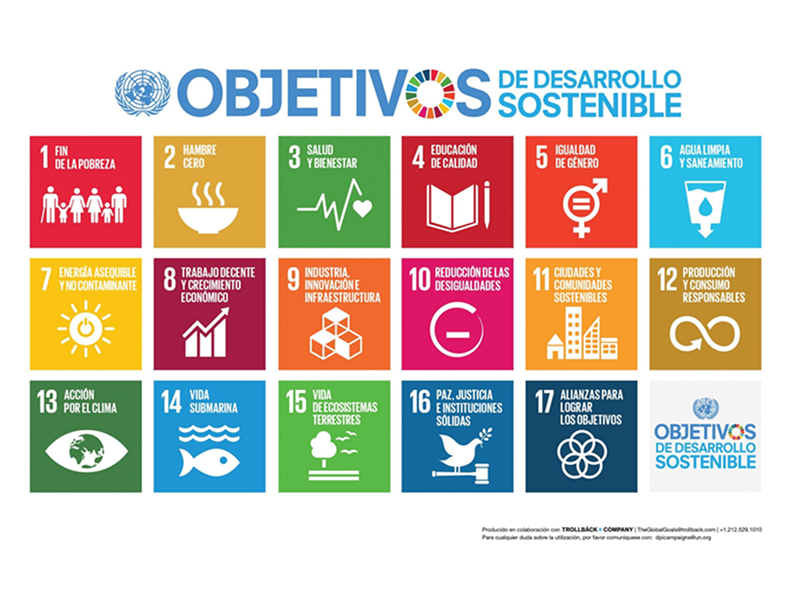
Tourism plays a significant role in achieving the 2030 Agenda and the Sustainable Development Goals (SDGs) due to its capacity to generate employment, strengthen local economies, and promote more inclusive and sustainable development.
Through responsible practices, tourism can help reduce inequalities, foster intercultural respect, protect the environment, and enhance the participation of local communities in development processes.
Adopting sustainable and regenerative tourism models enables the creation of experiences that generate value for both travelers and destinations, striking a balance between economic growth, environmental conservation, and social well-being for present and future generations.
