

A community that invites us to reflect on our relationship with nature, the land, and one another. In an increasingly fast-paced world—where technology bridges distances and information travels at speeds unimaginable just a few decades ago—it is easy to assume that the answers to future challenges lie solely in innovation and technological progress.
Yet, there are communities that remind us that some of the most valuable lessons for building a more balanced future can be found in knowledge passed down through generations.
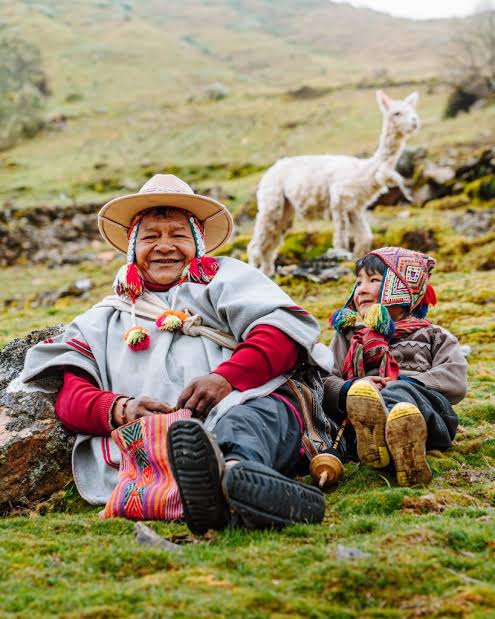
High in the mountains of southern Peru, amidst the snow-capped peaks surrounding Mount Ausangate, lives the Q'ero Nation—one of the Andean communities most studied by anthropologists and researchers seeking to understand the enduring nature of the Andean worldview.
Beyond academic interest, the Q'ero people offer an opportunity to reflect on a question that is particularly relevant today:
How can we build a more harmonious relationship with nature, the community, and the land?
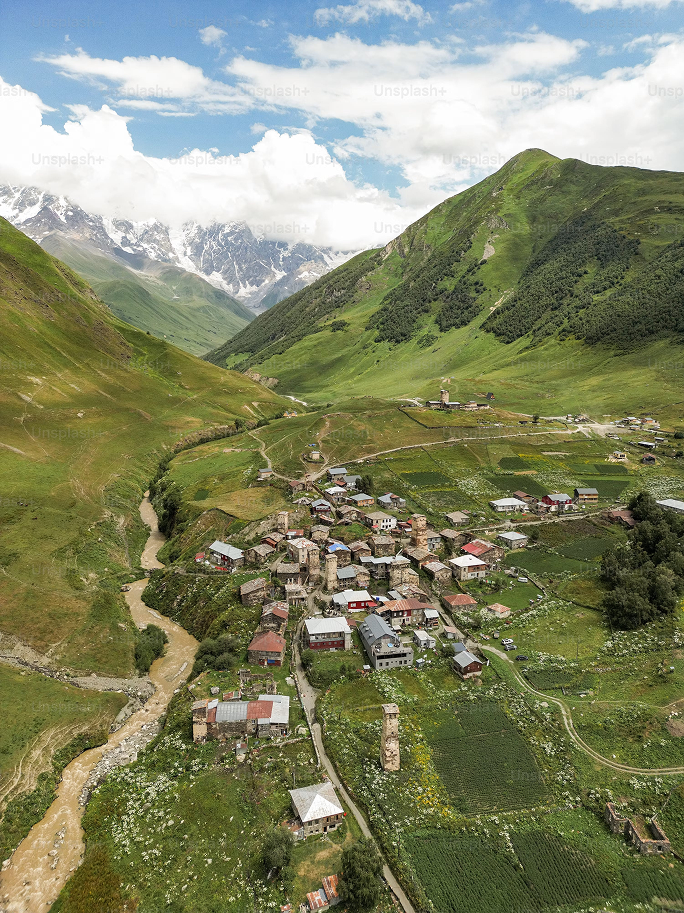
The Q'ero people live in the high-Andean regions of the Cusco area, primarily within the Paucartambo province, at altitudes that exceed 4,000 meters above sea level.
Residing in these areas requires a significant ability to adapt the low temperatures, frost, variable climate, and the intricate geography of the Andes have influenced how individuals engage with their surroundings for generations; for the Q'ero, the mountains are not just physical landmarks—they form a part of an interconnected web of living relationships.
In Andean culture, towering snow-covered peaks are referred to as Apus, which are protective spirits associated with maintaining harmony between humanity, the environment, and the land ausangate, recognized as one of the most significant Apus in the southern Andes, plays a pivotal role in the spiritual and cultural practices of numerous communities in the area.
This perspective of viewing the landscape may appear foreign to those of us raised in urban environments. Still, it encourages us to reflect on a concept that is gaining renewed significance today: nature is not simply a backdrop for life; rather, human existence is a fundamental component of it.
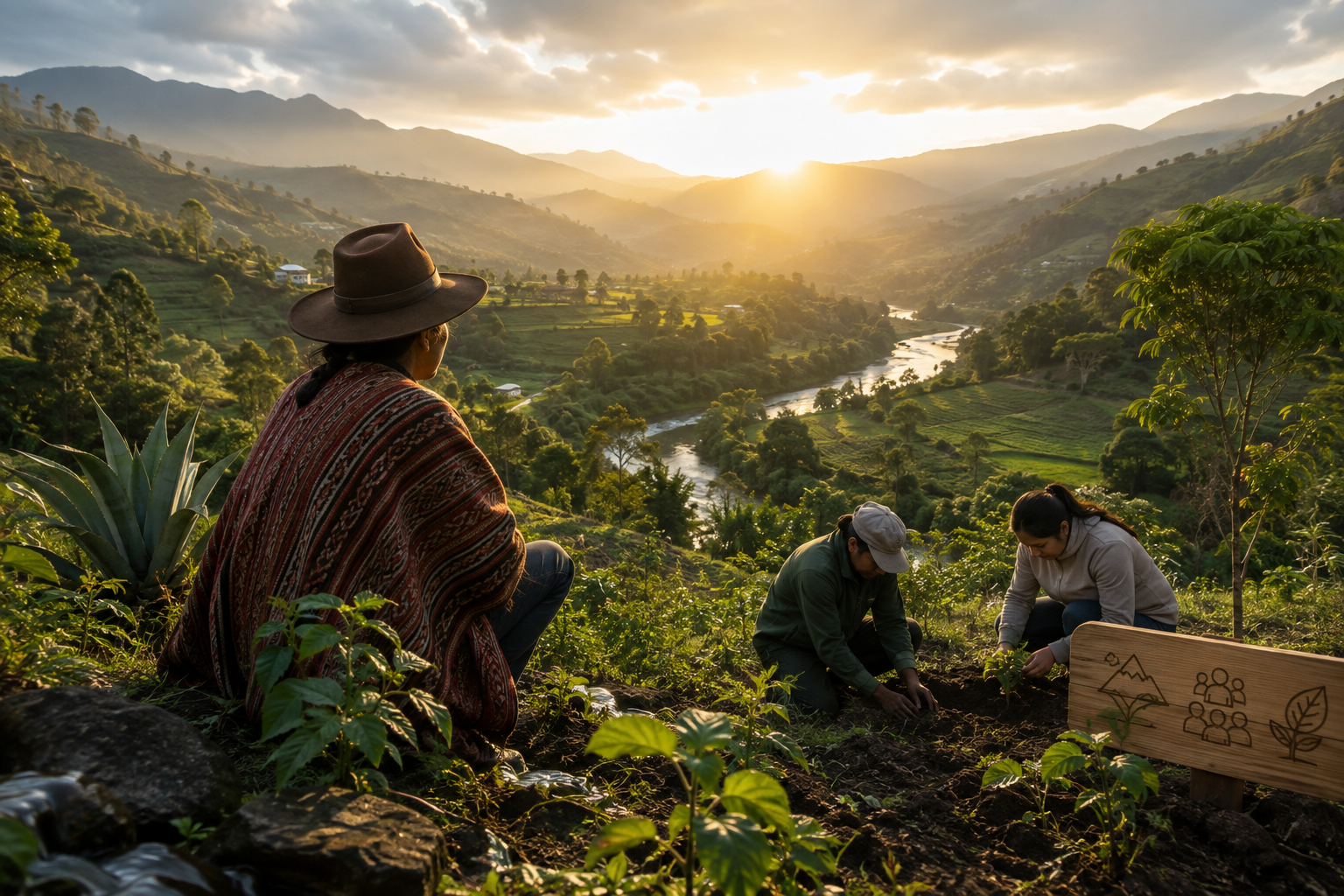
Over generations, Andean communities developed knowledge that enabled them to adapt to some of the most demanding environments on the planet.
Observing climate cycles, managing natural resources, raising livestock, and agricultural production are all part of an experience accumulated over centuries.
This knowledge did not emerge in laboratories, nor was it designed in offices.
It was born of everyday experience,
Of observing the sky,
Of animal behavior,
Of seasonal changes,
Of the need to coexist with the land and understand its rhythms.
Today, many researchers recognize that this knowledge forms part of what is known as biocultural memory—a heritage combining ecological knowledge, community experiences, and cultural practices developed in close relationship with the environment.
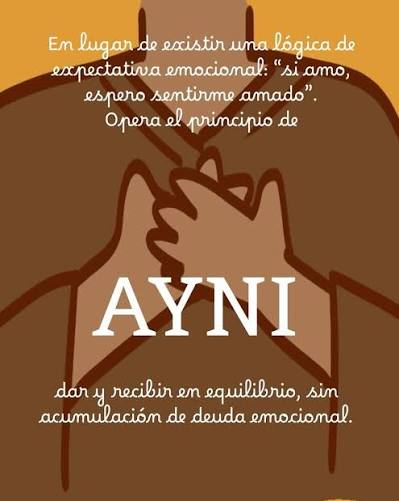
One of the most important principles of the Andean worldview is ayni. traditionally translated as reciprocity, ayni represents far more than a form of collaboration
it embodies a way of understanding human relationships.
The idea is both simple and profound:
Those who receive help today will contribute tomorrow when someone else is in need.
For centuries, this principle enabled communities to face collective challenges, share labor, and strengthen social bonds.
Although forms of organization have changed over time, the logic of reciprocity remains a key reference point for many Andean communities.
In an era where social relationships are largely driven by competition and productivity, ayni reminds us of the importance of cooperation and interdependence.

The Q'ero communities do not live in isolation from the contemporary world like many rural populations, they face challenges related to access to services, migration, economic changes, and the effects of climate change.
However, it is precisely in this context that their knowledge takes on special relevance the ability to observe the landscape, understand natural cycles, and build relationships based on reciprocity offers valuable lessons for a society seeking more sustainable ways to inhabit the planet it is not a matter of idealizing Andean communities or assuming they hold all the answers.
It is about recognizing that there are multiple ways of generating knowledge and that many of them can contribute to broadening our understanding of current challenges.