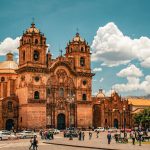


Every June 24th, thousands of people gather in the city of Cusco to witness one of Latin America's most iconic cultural celebrations.
Inti Raymi, known as the Festival of the Sun, attracts visitors from all over the world and has become one of the most important cultural symbols of contemporary Peru.
However, behind the spectacle, the colorful costumes, and the historical reenactments lies a much deeper story.
It is the story of a society that has sought to keep the memory of its roots alive and pass it on to new generations.
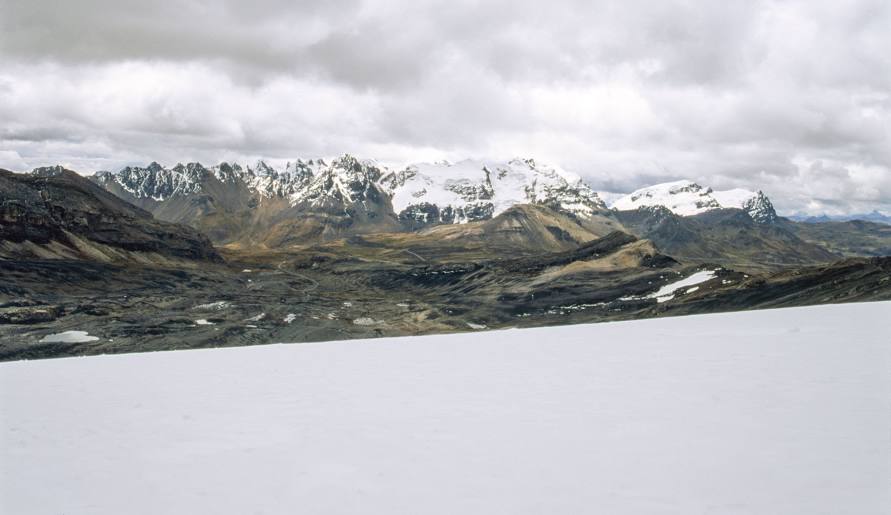
For Andean societies, time was always closely linked to the observation of nature.
The movements of the Sun, the seasons, the rains, and agricultural cycles shaped much of community life.
The month of June marked a special moment.
It coincided with the winter solstice in the Southern Hemisphere, when the Sun reaches its most distant point before beginning a new cycle.
For the Incas, this event held immense symbolic and spiritual significance.
It represented renewal, continuity, and gratitude.

Key historical accounts of Inti Raymi come from chroniclers such as Inca Garcilaso de la Vega, who described the event as one of the most important festivals in the Inca calendar.
The ceremony brought together authorities, representatives from various regions of the empire, and populations from diverse territories.
Beyond its religious significance, the festival served political and social functions.
It helped strengthen ties between different peoples and consolidate a shared identity within the Tahuantinsuyo.

With the arrival of Spanish colonization, many Andean cultural expressions underwent profound transformations.
Some festivities disappeared.
Others adapted.
Many survived by incorporating new cultural elements.
Inti Raymi ceased to be celebrated in the way it had been during the Inca period.
However, the memory of this festival remained alive in oral tradition, historical chronicles, and the cultural identity of Cusco.
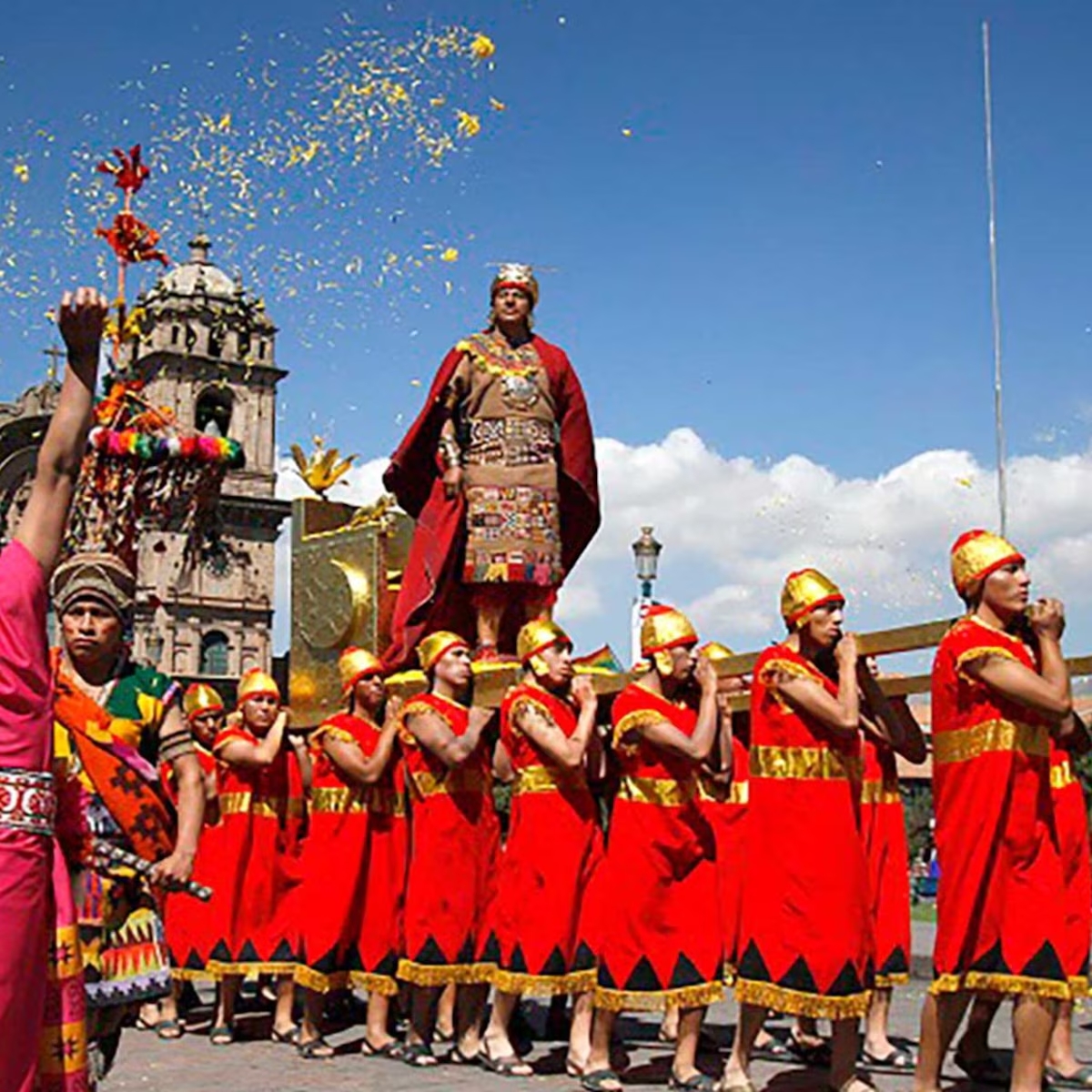
The contemporary celebration of Inti Raymi was revived in the 20th century thanks to the efforts of intellectuals, artists, and researchers from Cusco who were committed to strengthening the recognition of Andean cultural heritage.
Prominent among them was Luis E. Valcárcel, a key figure in the Peruvian *indigenismo* movement.
The first modern reenactment took place in 1944, and it has since become an annual tradition.
This process also played a role in shaping a cultural identity for Cusco that reclaimed the historical legacy of the Andes and its contribution to Peru's national identity.
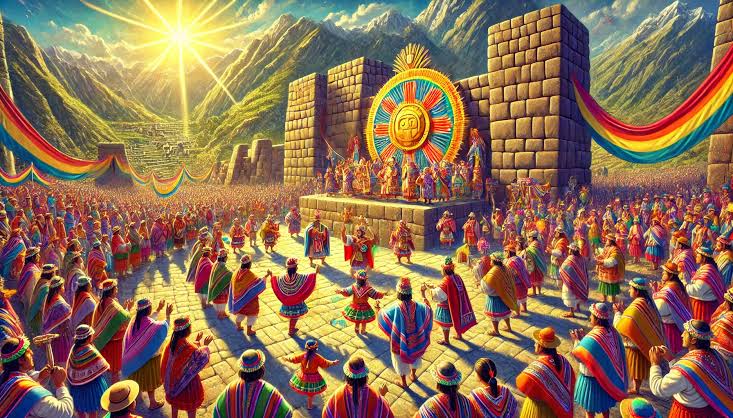
Today, Inti Raymi represents much more than a historical reenactment.
It is an expression of collective memory.
A meeting point between past and present.
An opportunity to reflect on the cultural continuity of the Andes.
Every year, thousands of people witness a ceremony inspired by traditions that have endured centuries of social, political, and cultural transformation.
The celebration reminds us that heritage does not belong solely to the past.
It is also part of the present.
And it continues to be shaped by each generation.

There are places that transcend their geographical dimensions to become symbols.
Cusco is one of them.
The city preserves vestiges of various historical eras and remains a space where Andean traditions, colonial influences, and contemporary expressions of Peruvian culture converge.
Inti Raymi is part of that identity.
It is also part of a broader conversation about memory, heritage, and belonging.
That is why, every June 24th, it is not just a festival that is celebrated.
It is also a celebration of a society's capacity to keep its stories alive.

Perhaps the greatest richness of places like Cusco lies not solely in their monuments or landscapes.
It lies in the stories that continue to inhabit them.
Stories that connect generations.
Stories that help us understand who we are.
Stories that remind us that travel can be a way to draw closer to other cultures—and to reflect on our own identity.
Because behind every destination, there is something more important than the distance traveled.
There is a story waiting to be understood.