

Throughout our lives, we pass through various stages, We are children, Young people, Adults, Older adults, Some people use wheelchairs, Others require specific aids to get around.
Some experience the world through different forms of communication, perception or learning others live with health conditions that require specific care.
All these realities are part of the human experience they are not exceptions.
They are expressions of the diversity that characterizes our societies.
Therefore, creating more accessible spaces does not benefit only a specific group of people it benefits everyone.

When we hear the word "accessibility" we tend to think of ramps, elevators, or adapted spaces. However, accessibility also encompasses other dimensions. Information, Communication, Planning the pace of the journey. Training for service providers, Understanding each person's specific needs A truly accessible destination is not one that simply removes physical obstacles, It is one that enables more people to participate safely, comfortably, and with dignity.
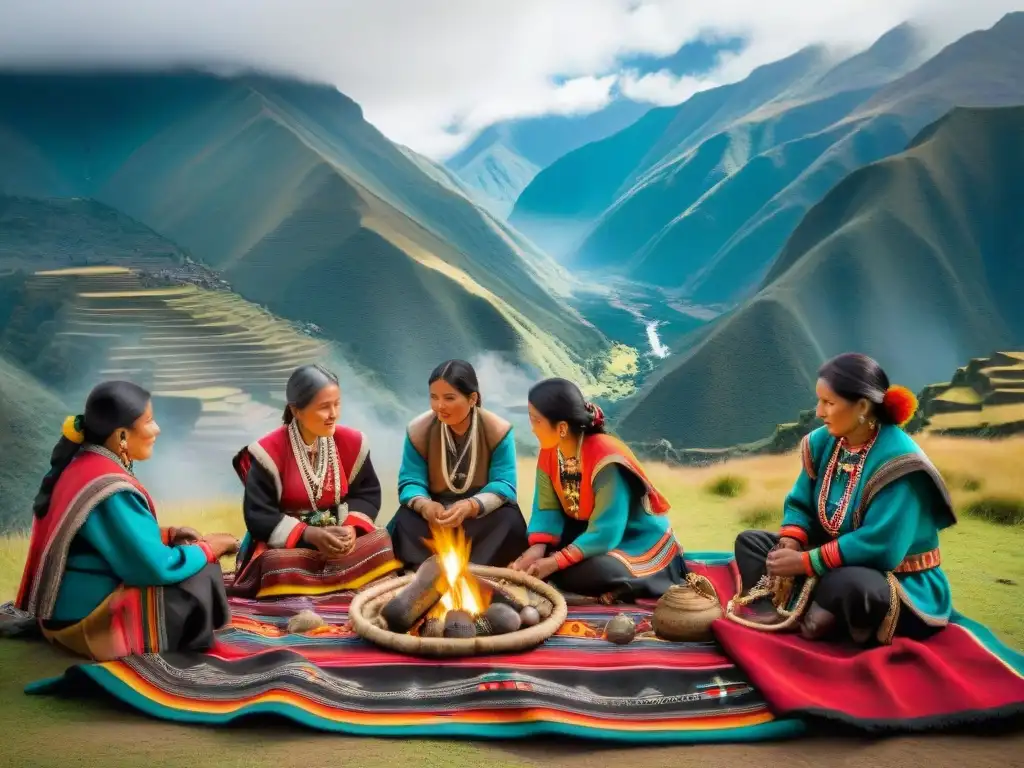
Over generations, Andean communities developed knowledge that enabled them to adapt to some of the most demanding environments on the planet. Observing climate cycles, managing natural resources, raising livestock, and agricultural production are all part of an experience accumulated over centuries. This knowledge did not emerge in laboratories, nor was it designed in offices. It was born of everyday experience. Of observing the sky. Of animal behavior. Of seasonal changes. Of the need to coexist with the land and understand its rhythms. Today, many researchers recognize that this knowledge forms part of what is known as biocultural memory—a heritage combining ecological knowledge, community experiences, and cultural practices developed in close relationship with the environment.

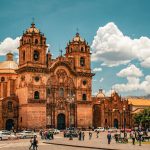
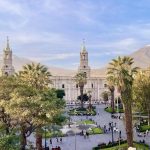
Peru boasts some of the world's most extraordinary cultural and natural landscapes however, it still faces significant challenges regarding accessibility many historic cities were built in contexts where inclusion was not part of urban planning, Cobblestone streets, steep slopes, and infrastructure limitations can pose difficulties for some individuals and their families yet, progress is being made. Institutions, companies, organizations and citizens are driving initiatives to build a more accessible and inclusive country Every infrastructure improvement, Every adapted service, Every experience designed with empathy, Each represents an opportunity for more people to fully participate in social cultural and tourism activities.

The Universal Declaration of Human Rights recognizes the right of all people to participate in cultural and social life.
In this context, access to tourism, leisure, and the discovery of heritage is also part of a more inclusive society
When a person visits an archaeological site, tours a historic city, or shares an experience with their family, they are not receiving a privilege they are exercising a legitimate form of participation in cultural life.
Therefore, inclusion should not be viewed as a favor it should be understood as an opportunity to expand the participation of more people in spaces that were not always historically designed with them in mind.

Every family has a different story.
Every person has different interests some enjoy nature. Others seek more dynamic experiences. Therefore, inclusive experiences cannot be built upon rigid models they require listening. Planning. Flexibility and a deep understanding of the participants' needs true inclusion begins when we stop asking whether a person can adapt to the trip and start asking how the trip can adapt to the person.

Families caring for a loved one with specific needs often organize much of their lives around that care they know the routines the timing, the preferences the needs ror this reason traveling can give rise to uncertainty.
¿Will the destination be suitable?
¿Will the necessary support be available?
¿Will they be able to enjoy the experience with peace of mind?
Designing inclusive experiences means supporting the families as well because when one person participates fully, the whole family can enjoy the experience with greater peace of mind and confidence.

Inclusion does not merely transform the experience of those who require specific support it transforms society as a whole it invites us to develop empathy to understand realities different from our own to recognize that human needs are diverse and that creating accessible spaces expands opportunities for everyone. A ramp makes it easier for a wheelchair user to get around but it can also help an older adult, a family with a stroller or someone carrying luggage we remove barriers we expand possibilities.
The most inclusive societies are not those where differences disappear they are the ones that create the conditions necessary for more people to participate fully in life.
Traveling reminds us of precisely that the world is diverse that people are diverse and this diversity deserves to be recognized respected and celebrated because the best experiences do not happen when we are all the same they happen when we build spaces where each person can discover the world in their own way.